
Direct Download Whatsapp Link:- https://chat.whatsapp.com/FE8BRXjD7dN9bDVW3j2MpA
https://chat.whatsapp.com/FE8BRXjD7dN9bDVW3j2MpA
https://chat.whatsapp.com/FE8BRXjD7dN9bDVW3j2MpA

VINY INTERIOR design team is composed of a highly qualified staff of professional interior designers. Based on the scope of the project, VINY INTERIOR designers will work with you to establish the direction from one room to an entire project. Residential or Commercial Interior Design.

 Products To Decorate Your Room
Deal Of The Day…
| Number of Puzzle Pieces | 43 |
|---|---|
| Batteries Required | No |
| Batteries Included | No |
| Material Type(s) | Rubber |
| Color | Multi |
| Product Dimensions | 26 x 24 x 1 cm; 130 Grams |
| Manufacturer recommended age | 3 years and up |
| Manufacturer | Party Propz |
| Country of Origin | China |
| Item Weight | 130 g |

Deal Of The Day…
| Batteries Required | No |
|---|---|
| Batteries Included | No |
| Material Type(s) | Foil, latex |
| Color | Rose Gold Birthday Combo |
| Product Dimensions | 31 x 20 x 2 cm; 170 Grams |
| Item part number | HEMICM06 |
| Manufacturer recommended age | 12 months and up |
| Manufacturer | Party Propz |
| Country of Origin | India |
| Item Weight | 170 g |
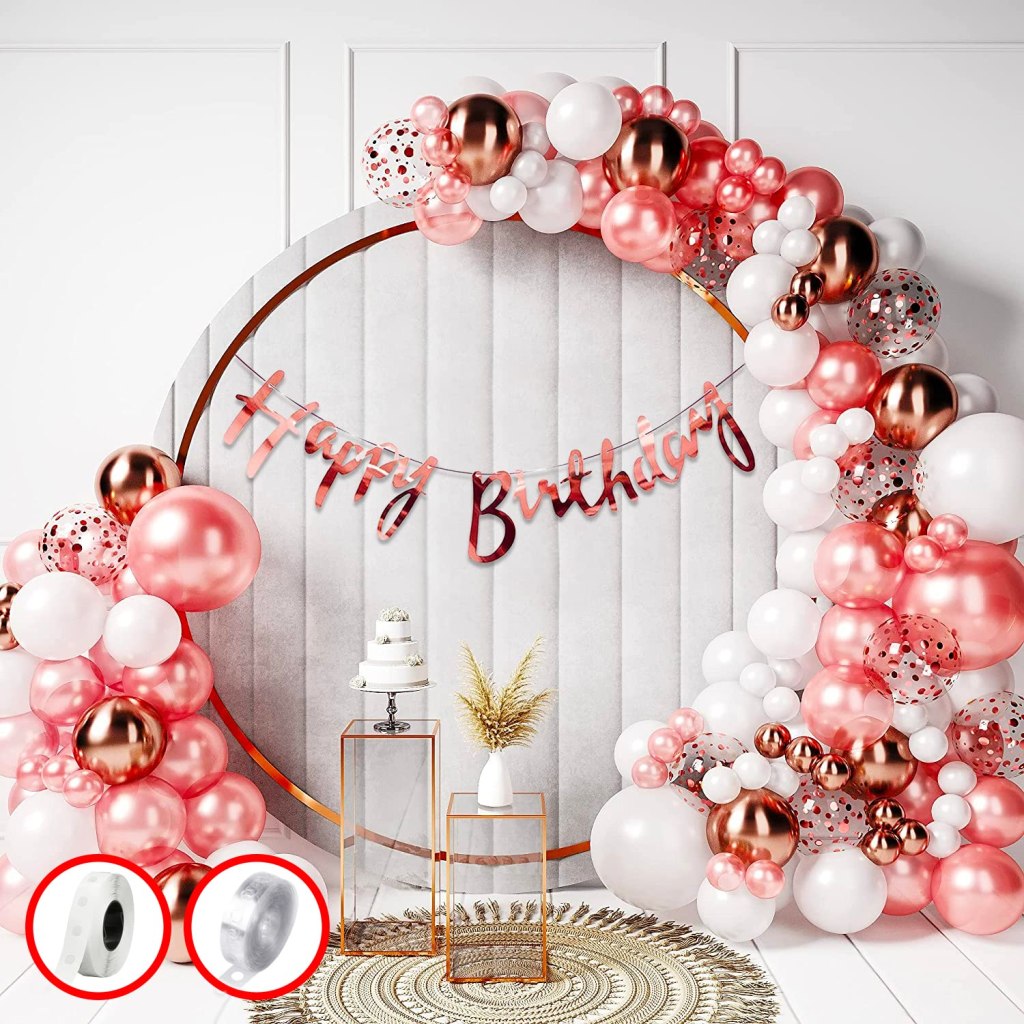
Deal Of The Day...
| Batteries Required | No |
|---|---|
| Batteries Included | No |
| Material Type(s) | Foil, latex |
| Color | Rose Gold Birthday Combo |
| Product Dimensions | 31 x 20 x 2 cm; 170 Grams |
| Item part number | HEMICM06 |
| Manufacturer recommended age | 12 months and up |
| Manufacturer | Party Propz |
| Country of Origin | India |
| Item Weight | 170 g |


DSH Metal Wall Decor Wall Hanging Multi Color Wall Arts for Home Hotel Office Living Room Bedroom (Size 46X19 Inch) Decoration Item\
Rs. 2,949 Only On AMAZON


So you’re thinking about how to become an interior designer. Perhaps you’re a few years into your career and are contemplating making a professional pivot, or maybe you’re just starting out—either fresh out of college or just applying to design school. Whatever the circumstances, you’re wondering about your next move. Make the transition well, and you might be able to turn a hobby or interest into a full-fledged interior design career.
But where do you start? What are the most important things to take into account? How does one successfully embark on a career in interior design? Though the paths to the desired end goal of becoming an interior designer may vary, some of the landmarks along the way remain consistent. And with this in mind, AD PRO has distilled a step-by-step guide to how to become an interior designer.
What is it about interior design that draws you to it as a profession? And why do you think you’d be right for the job? Ask yourself if you truly possess a passion for interior design, rather than merely a flair for decorating. It’s also important to know the difference between the two fields. Anyone who has an eye for decorating—one who has great taste and enjoys playing with color, textures, textiles, and furniture—can be an interior decorator. But only accredited design professionals can call themselves interior designers. Are you willing to put in the time and effort to study design in college and/or attend design school and take the National Council for Interior Design Qualification (NCIDQ) exam (which is required in some states)? If your area of interest falls more into the decorating realm, it would behoove you to go that route. Otherwise, if interior design is more of your proclivity, then assess your own skill set and strengths to decide if the industry is right for you.
Next, contemplate the areas of expertise or specialization you might want to pursue, and plan a potential career path. Are you more drawn to residential or commercial interiors? Would you prefer health care or education design? Or is retail, hospitality, or restaurant design more up your alley? Though you do not need to focus 100% on a specialized area of design from the get-go, it’s beneficial to determine where you’d like to land in your career in the not-so-distant future, so that you devise a proper road map.
“Having your short- and long-term goals charted out with an outline of when you want to reach them helps tremendously in keeping you motivated,” notes Carolyn Ames Noble, chair of the American Society of Interior Designers, or ASID. “That being said, it’s also important to remember that it’s okay if not all of your goals are met, but that it’s the journey along the way that helps mold your character and career.”
Ames Noble continues, “If you have a specific direction you want to go in, put your energy into that area. However, from experience, I believe it is key to remain flexible. As I was starting out in my career, the Great Recession completely changed my trajectory, and I found myself learning new skills in materiality, research, and marketing, which are now as fundamental to me as my core skills in interior design. With the pandemic, a lot of transitions occurred, and many interior designers found innovative ways to adapt, which sometimes meant venturing out of their dedicated sector of choice.”
In order to become a licensed interior designer, a bachelor’s degree is usually required. (Most firms will require it.) The degree may be in any field, but your coursework should include interior design, drawing, and computer-aided design (CAD). It’s not necessary to specifically go to a design school, as there are interior design degree programs available at the associate’s, bachelor’s, and master’s levels at many colleges and universities. But it is critical to carefully plan a course of study that includes a range of design classes.
Look for classes that cover a broad range of interior design topics. Course titles to look out for include:
Be sure to take advantage of the career services department at your college or university. Nansi Barrie, a career advisor consultant and the former career services and internships coordinator at the New York School of Interior Design (NYSID), advises, “Work with your career services advisor and pinpoint your goals, so you can hit your target or come close to the sector of the industry you are interested in.”
If you opt to attend design school, do some research to discern which programs are best suited to your needs. “Decide what characteristics you most desire in a school: small, large campus/city; suburban/rural environment; broad/narrow curricular focus,” advises Brett Cione, NYSID’s director of admissions and recruitment. “Visit the schools you are interested in attending to see what the best fit is for you. Tour the facilities and examine the curriculum to see if it aligns with your career goals. Talk to students and faculty to get their perspective on the student experience. And, of course, talk to the admissions staff.”
Cione adds that there’s preparation a potential student can do before even applying to schools. “Become a student of the profession and learn what important work interior designers actually do, what trends are going on in the industry as well as what’s classic, and try to make professional connections,” he says. “Meet and speak with people working in the profession. Use this newly gained knowledge when you write your application essay.” He also adds that through this network, you might opt to request letters of recommendation, which will “make you stand out.”
An encouraging point for someone transitioning to the interior design field from another profession or an educational background not rooted in design is that some design schools, including NYSID, accept people with or without a background in interior design. “Mostly, we want people who aspire to be top interior designers—leaders of the profession—no matter their prior education or career,” Cione explains. “As a single-focus institution, NYSID prides itself on training the next generation of designers, and we look for people who can show us they share that passion for design excellence.”
When deciding where to attend design school, looking into programs that are accredited by the Council for Interior Design Accreditation (CIDA) is a wise decision, as the organization stays abreast of the most current trends, regulations, and practices of the interior design industry. According to the CIDA, “[Its] accreditation process is thorough and focused solely on interior design programs that culminate in a professional-level degree. Interior design programs that voluntarily undertake the CIDA accreditation process demonstrate a strong commitment to quality and continual improvement.”
Though it’s not essential that your design school be on the CIDA list, it’s a helpful qualification to look out for when beginning your research. It would also serve you well to consult a current list of the best interior design schools. In that vein, Cione recommends, “Look at the rankings. Other key aspects to consider are: Who are the faculty I’ll be learning from, what kinds of industry connections can I make while I’m a student, what is the school’s job placement rate, and can I get a job after graduation?”
DesignIntelligence annually ranks the most admired U.S. interior design schools, and the following consistently top the list:
While attending design school or studying design at the college or postgraduate level, try to find a mentor, take advantage of the highly skilled faculty, and network with your contemporaries. Opportunities for learning abound in this type of educational setting.
SCAD professor Tara Headley, who is chair of the board of trustees for the IIDA Foundation and an interior designer at Hendrick, advocates for getting involved in an organization like the International Interior Design Association (IIDA) while still in school to start making connections in the field. “Start engaging before graduation,” she urges. “Volunteering with the student board or even with the professional chapter helps set the tone for your involvement, and people will remember your efforts.”
Working at an internship while still in school is imperative for ascertaining real-life practical experience, and helps position you for success post-graduation. “For those still in college and trying to figure out what kind of career they want to pursue, I would 100% recommend looking for internships at design firms. Internships allow you to not only get experience and build your resume, but also to figure out if this is where you can see yourself in the future,” Ames Noble says.
Headley echoes a similar sentiment: “Paid internships are extremely valuable for students to be able to take what they’ve learned in the classroom and apply it in a practical way. Making that connection from what you’ve done in a studio project to how it applies in a real-world application is something that will fully prepare you for a full-time job after graduation.”
The designer adds: “Another aspect of internships is simply learning how to navigate an office environment. Everything from how to write an articulate, efficient email to tracking your time on multiple projects is key to being successful. Firms are more likely to hire you if they know you’ve already been exposed to these areas of development prior to graduating.”
Again, rely on the expertise of career counselors to help you secure an internship that coincides with your areas of interest. But don’t be too hyper-focused on any particular subject at this point; instead, consider a wide range of interests within the interior design field. Keep an open mind to different aspects of the industry. You never know: You may think you want to focus on retail design, but, surprisingly, hospitality ends up piquing your curiosity. In this early phase of your design career, it best suits you to have a broad base of experience before ruling out any possibilities.
In addition to internship experience, mentorship can also help ignite your career. The IIDA offers a national student mentor program in which the organization pairs more than 1,000 students with mentors annually. Headley explains how the IIDA mentorship program has evolved. “Students shadow a professional for a day, attending client meetings, presentations, learning about office culture, et cetera. It’s a glimpse into the working world and provides the opportunity for a valuable connection even after the program ends,” she says, adding, “IIDA pivoted to a virtual mentorship program during the pandemic. This allowed students to be able to connect with a design professional and learn about the industry remotely.”
There’s more to being an interior designer than creativity, impeccable taste, and a keen designer’s eye. “Effective communication goes a long way in every aspect of a designer’s life, from landing the interview to getting the job and being promoted throughout your career,” Headley offers. “The art of storytelling is critical when it comes to explaining a concept or showcasing the design in the earliest stages. That is something that needs to start in class when students are presenting their projects.
Organizational, time management, project management, and communication skills are all prerequisites for the job, as is some very specific technical knowledge. While mastery of drawing and perspective are fundamental for every interior designer, computer-aided design now is as well. CAD technology—in the form of computer software such as Autodesk AutoCAD, CorelCAD, SmartDraw, ARCHICAD, DraftSight, and CAD Pro, among others—allows you to render your design ideas in 2D and 3D models with proper dimensions, colors, texture, and other design details.
In addition to CAD, other computer software that today’s interior designers are expected to know include SketchUp, a basic 3D modeling computer program; Autodesk 3Ds Max with its easy-to-learn interface for 3D rendering and simulating interiors; Autodesk Revit, which is highly technical in nature and created specifically for A&D professionals for Building Information Modeling (BIM) to allow users to quickly make elevations, sections, and plans; and Infurnia, a feature-rich, complex interior design program. An interior design professional who is well-versed in these software tools will have a definite advantage over his or her competition.
Twenty-seven states require licensure for interior designers, which includes passing the NCIDQ exam. NCIDQ is the most common interior design certification, recognized in the United States and Canada as a benchmark for proficiency in the profession. In order to qualify to take the NCIDQ exam, you must first earn an associate, bachelor’s, or master’s degree and complete a certain number of hours of work experience depending on the level of education. Comprising three parts—the Interior Design Fundamentals Exam (IDFX), the Interior Design Professional Exam (IDPX), and the practicum—the NCIDQ exam covers subjects such as construction standards, design application, building systems and codes, project coordination, and contract administration. You may take the first part—the IDFX—once you’ve graduated from design school even if you haven’t completed all the required work hours. The IDPX, meanwhile, is available to you once you’ve completed both your education and work requirements, and the practicum is the final exam. Fees for each part of the exam are paid separately. While this three-part test may sound arduous, you should have gleaned all the necessary information through schooling and practical experience to fare well enough to pass the exam and obtain your NCIDQ credentials—you need a score of at least 500 out of 800 to pass. And this is certification that’s definitely worth having (even if it’s not required by your home state), as it legitimizes your skill set and experience to clients and employers.
Anyone who wants to become an interior designer needs an interior design portfolio. If you’re fresh out of school and don’t have examples of paid client work, use student work, internship experiences, non-client, self-initiated work, and side projects to help illustrate your design capabilities. David Sprouls, president of NYSID, says, “We evaluate many portfolios at the New York School of Interior Design, and there are a few characteristics that make some stand out. First and foremost, we like to see a portfolio that demonstrates design thinking… We want to see that designers understand process.” He notes that a portfolio should demonstrate more than merely the finished project: It should also weave a narrative that showcases how you interpret the client’s preferences, project goals, and challenges through the execution of beautiful designs.
ADVERTISEMENT
A few points to keep in mind when creating your interior design portfolio:
Defining your own brand is vital to positioning yourself as a proficient interior designer. Recognize how you see yourself as a designer, and think about how others view you or how you want others to perceive you. What’s your unique value proposition that distinguishes you from competitors? What are your goals as a designer? Who is your target audience? Pondering these questions can help you to clearly delineate your personal brand.
Next is translating it visually into a website, social media profiles, and your portfolio. Make sure your brand accurately reflects your style and sensibility as a designer. For example, where applicable, employ colors, typography, and imagery that’s true to your aesthetic. Focus on the details and be consistent with your brand message across all channels of communication—be it online, in person, via email, or phone. How you dress, act, speak, and write all should align with your personal brand. Visitors to your website should have an immediate sense of who you are as a designer, and your skills and accomplishments should speak loud and clear. This is no time to be humble. Show off who you are and put your best foot forward.
Establish an online presence that permeates all social media channels. Become a social networker. Maintain a consistent brand message throughout LinkedIn, Twitter, Instagram, and Facebook. And contribute frequently, making sure your updates are on-brand. Use these social media platforms as tools to cultivate your brand, make connections, and seek employment.
According to Headley, “Networking is definitely the key to advancing your career in an industry such as interior design. And LinkedIn can be a valuable tool.” She offers a few tips when using the professional networking site:
Once you graduate from design school and take the NCIDQ exam (if applicable), your education should not stop there. Keep your design knowledge fresh and maintain your competitive edge by seeking out continuing education opportunities. Sign up for design or business courses online through sites like AEC Daily. Audit a class that helps you with practical application of design theory. Take the LEED exam and become a LEED accredited professional for Interior Design and Construction. Learning the ins and outs of environmentally sustainable design, building, and construction practices likely will make you a more attractive job applicant at a design firm over a candidate who lacks this knowledge.


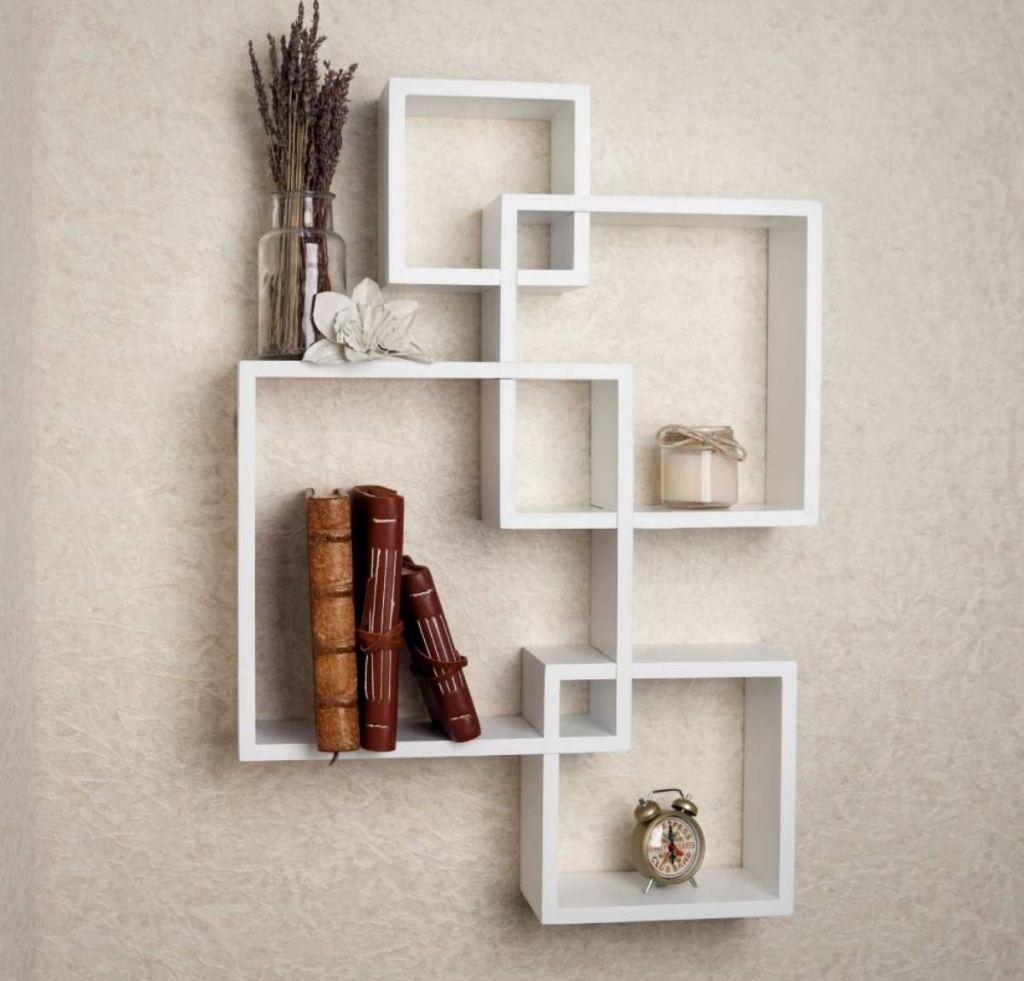
DECORVISTA W Shape Wall Mount Books Shelfs Zigzag Wall Shelf Living & Bed Room Decor Pack of 2
Rs 699 Only
Add To Cart


SKY MORE Metal 2-Tier Countertop Organizer (12.2X6.7X11.2inch, Black)


Murphy 6W LED Down Light (White) – Pack of 2



Rs 629 Only On Amazon
| Shelf Type | Floating Shelf, Display Shelf |
| Product Dimensions | 30D x 30W x 10H Centimeters |
| Mounting Type | Wall Mount |
| Room Type | Office, Kitchen, Living Room |
| Material | Engineered Wood |
| Style | Modern |
| Shape | Cubical |
| Recommended Uses For Product | Showcase and storage organizer for living room , bedroom ,office , kids room and home decor |
| Brand | Wooden Cave |
| Finish Type | Laminated |

Viny Interior in Geeta Colony has a wide range of products and services to cater to the varied requirements of their customers. The staff at this establishment are courteous and prompt at providing any assistance. They readily answer any queries or questions that you may have. Pay for the product or service with ease by using any of the available modes of payment, such as Cash, Cheques. This establishment is functional from 00:00 – 23:59.



 VINY INTERIOR